
Estate & Legacy Clarity Call
(20 minutes)
Quick fit check. No obligation.
Privacy protected | Reschedule anytime

Saturday, 3rd October, 2026
What we cover in 20 minutes
What to expect:
Estate & Legacy Planning coordinates your money, accounts, titles, beneficiaries, insurance, pensions, property, and digital assets with clear legal instructions—so the right people can act for you, your wishes are carried out during life and after death, and everything is properly funded.
This is more than “writing a will.” It’s aligning ownership and beneficiary instructions across your financial life so your plan works in the real world.
Without proper planning, your wishes may be delayed or your affairs decided by the courts if you lose mental capacity
Titles matter; coordination prevents delays and inconvenience.
In-laws or children can share, depending on circumstances.
Blended families need explicit planning.
Titling and survivorship rules can surprise you.
Beneficiary designations override the will.
Consider: Life insurance policies with a named beneficiary stands outside of your estate; your will or the Rules of Intestacy don’t control who the insurer pays.
If there is no valid will, the Succession Act Cap. 249, already states who gets what.
If there’s no liquidity plan, your wishes for your heirs can fail to materialize.
What we cover in 20 minutes
Use this quick assessment to see who likely inherits if you die without a will in Barbados.
Most people discover at least one unexpected heir in 60 seconds. Don’t leave it to default rules.
Answer a few quick questions to see who is likely to inherit under Barbadian law.
In the case of disability: A Power of Attorney (PoA) authorizes someone you trust to act on your behalf.
If you lose capacity (e.g., Alzheimer’s/dementia): Requires receivership, meaning the court decides who manages your affairs, with proper planning you can still have your wishes heard.
A practical, plain-English guide to the core legal tools that protect your family, speed access to assets, and keep your wishes honored in Barbados.
These legal tools work together with your financial arrangements to create a holistic, realistic estate and legacy plan. They turn well-crafted intentions into enforceable instructions under Barbadian law, so your assets, medical wishes, and family protections are not only thoughtfully planned, but legally valid and executable when it matters most.
What it is: A written authorization where the principal grants an agent the power to act on the principal’s behalf.
Types:
• General PoA: Broad powers to manage legal, financial, and medical affairs as if the principal were acting.
• Specific/Limited PoA: Narrow powers for a defined task or period (e.g., managing finances while you’re off island).
Why it matters: Keeps your affairs running if you are physically restricted or ill and can’t manage them yourself.
When it ends:
• Written revocation by the principal (deed of revocation)
• Death of the principal
• Loss of mental capacity by the principal (incapacitation)
What it is: Under the Mental Health Act, Cap. 45 (Barbados), the High Court may appoint a receiver to manage the property and affairs of someone unable to do so because of mental disorder.
Process: Application reviewed by a High Court judge; the court defines powers and requires periodic accounting.
Why plan now: If you document preferences while you have capacity (e.g., one person for business, another for healthcare), the court can consider your wishes if a receiver is ever needed.
What it is: A trust is a legal arrangement where you (the settlor) transfer assets to trustees (a group of trusted persons or a licensed corporate trust company in Barbados) who holds legal title and manages them per a trust deed for the benefit of your family or chosen beneficiaries.
Common assets: Cash, shares, local real estate.
Key benefits for Barbadian families:
Bypass probate: A living trust can provide immediate access for family expenses.
Immediate benefits: Allows minor children to benefit from their inheritance while they are too young to control it.
Protect adult children from financial immaturity: Staggered or discretionary payouts curb risky spending.
Guard against legal/personal vulnerabilities: Potential insulation from beneficiaries’ personal creditors and from division on divorce.
Provide for vulnerable beneficiaries: Special-needs provisions and addiction guardrails.
Manage complex family structures: Life-use for a second spouse with remainder to your children.
What it is: A written record of your medical treatment preferences for times when you can’t communicate.
Note: While not governed by a single statute, an advance directive can be prepared with a local attorney and integrated into your broader healthcare plan.
What it is: Designates a healthcare agent to make medical decisions and advocate for you if you’re incapacitated.
Action step: Discuss your wishes with your healthcare team (agents and personal doctor) and attorney to ensure clarity and proper documentation.
What it is: Under the Minors Act (Cap. 215), a parent can appoint a legal guardian for a minor child in the event of the parent’s death.
How it is created: By naming a guardian in your properly executed Will (the most common and recognized method).
Why it matters: Verbal wishes or “godparent” labels aren’t legally binding. A will that complies with Barbadian law ensures custody wishes are honored without ambiguity. Consider naming primary and backup guardians and adding a brief letter of wishes to guide day-to-day decisions.
Did You Know? Under Barbadian law, either parent of a minor may appoint a guardian for the child after death by deed or in a Last Will & Testament. That guardian receives the parental rights and responsibilities of the deceased parent.
What it is: Directs how your estate is distributed after death and allows you to name guardians for minor children.
Barbados compliance: Should meet the requirements of the Succession Act, Cap. 249.
Strong recommendation: Engage a qualified Barbadian attorney to draft or formalize your will.
Before assets can be passed to the right people, the details must match your plan. Use the checklist below to review ownership, titles, and beneficiary designations across each category so everything you own is set up to transfer smoothly and in line with your wishes.
Before documents can be drafted, you need to make clear decisions about people, priorities, and provisions. The questions below will help you to make the basic choices that drive every part of your estate and legacy plan—who speaks for you, who manages money, who raises children, how assets are divided, and how everything is funded. Use this list to get clarity now so your legal documents, account titles, beneficiary designations and finances all tell the same story when it matters most.
Who do you trust to manage your affairs if you cannot?
Who can manage finances for your dependants?
Who do you trust to be able to speak and advocate on your behalf when it comes to your medical decisions and wishes?
The court appointed receiver manages financial and personal affairs if needed, plan ahead and document, so your choice of receiver and wishes are known.
Who is willing and able to manage and administer your estate? List backups.
Who are willing and able to care for your minor children and or dependants?
Who should inherit, when and in what general proportions?
Enough for final and estate expenses as well as dependants' future needs?
Any items, amounts, or charitable wishes?
Blended families, former spouses, special needs dependants.
Any businesses, partnerships, or property (local/overseas)?
Which digital assets and logins will someone need?
How we use this: We turn your answers into a coordinated action plan aligned with your accounts, tax picture, insurance, and your legal documents.
If you’re unsure about any of these, we’ll help you get clarity.
While there has been no estate tax levied by the Government of Barbados since 1981, there is still a financial cost to settling and estate. Those costs whenever they become due as well as the money needed to provide for your loved ones upon your death, are the concern of your estate planner.
This need for funding should not be ignored as it can derail all the effort you put into writing a will. Without enough funding your wishes are unlikely to be carried out.
There is no inheritance tax, estate tax, or gift tax in Barbados but there are estate expenses: A practical estate plan must account for how much money will be needed and where will it come from to make the wishes stated in your estate plan possible.
Here is a recent example from our practice:
My father called me up one day to ask that I visit a fellow retiree who had just become a widow. It turns out she was having some challenges sorting her late husband’s estate. She explained that in his will, her late husband had left the family property to her and his 2 adult children that he had fathered before they met and married. That seems fair and reasonable.
The problem?
The legal and other fees were beyond the ability of the widow or her stepchildren, with their own families and mortgages, to afford. Although the property contained multiple residential buildings, there was no possible way to subdivide it, to perhaps sell part with the funds going estate expenses and heritance, while allowing the widow to remain in her home.
The result?
The estate remains unsettled, the children won’t get the heritance that their father intended, unless his widow relocates or dies.
What would have led to a better outcome?
Working along with an estate planner at the outset would have considered the financial requirements and made arrangements that would have made the provisions in the will a reality.
An estate planner is usually a comprehensive financial planner with expertise in estate planning rather than an attorney who provides guidance on drafting wills, succession law, and navigating the probate process.
Your estate planner’s responsibility is to make sure that your wishes financially and legally possible.
Your estate planner serves as the “conductor” of your professional team, coordinating your tax adviser, attorney, independent financial adviser and insurance agent, with the goal of creating a plan that includes the means to provide the funds for your legal expenses and fund your wishes if you become incapacitated and upon your death.
Your estate planner can also provide ongoing guidance to your attorneys and trustees as they take on the responsibility of managing your or the trust's funds
Case Snapshots
Single mother, naming sister as guardian and beneficiary
Risk: “I’ll name my sister as my daughter’s guardian and as the beneficiary on my life insurance policy, so money won’t be a problem.” Sensible, but what if your sister dies without a will? Her husband and her children would legally inherit the money in her account. He might decide the funds are his, not for your child. Then where would your daughter be?
Fix: we calculated, recommended and put in place additional life insurance to match the needs of the child, created a trust, with 3 trustees, to be funded by the life insurance policy.
Result: Put guard rails around the money, so minor daughter can’t be disadvantaged.
You should be aware that the presence of a space for you to name a “Trustee” on an insurance company’s beneficiary form, does not automatically create a Trust.
Blended Family, Unmatched Beneficiaries
Risk: Old life policy still named ex-spouse; joint bank account conflicted with will.
Fix: Updated beneficiary to trust for minors, retitled cash account, created clear guardian funding instructions.
Result: Removed accidental disinheritance risk and clarified cash flow for children.
Business Owner, No Incapacity Plan
Risk: No PoA; spouse couldn’t access company banking in emergency.
Fix: Financial PoA, operating account access protocol, key-person insurance review.
Result: Business continuity and family liquidity secured.
Overseas Account, Barbados Estate
Risk: Double assumptions (thought will covered everything; overseas custodian required local proof).
Fix: Beneficiary updates and local attorney coordination; executor instruction sheet.
Result: Smoother transfers; avoided months of delay.
A comprehensive financial planner takes a holistic, long-term approach to your finances. Instead of just managing investments, they connect all aspects of your financial life—including budgeting, tax strategies, insurance, retirement funding and estate planning—into a single, coordinated strategy designed to achieve your life goals
If you’d like help coordinating this with your attorney and providers, the next section shows how our engagement works using our Prosperity by Design™ process.
We follow a clear, no-pressure process that puts your goals first and keeps you on track.
What we cover in 20 minutes
Annually or after major life events (marriage, birth, death, property/business changes).
A comprehensive financial planner with estate expertise often serves as the “conductor” of your professional team—coordinating your tax adviser, attorney, independent financial adviser, and insurance agent—so that accounts, documents, titles, and beneficiaries not only match your intentions but there also will be the necessary funds available to made them a reality.
A Will covers your wishes after you’re gone. A full estate plan also prepares for disability or loss of capacity, so your wishes are known, respected, and carried out while you’re alive.
We quote a flat, transparent 1-time fee at the end of the Goals & Aspirations Meeting based on complexity. You’ll know the fee and deliverables before you decide.
Of course, each of them already know part of your story, it’s just that they have probably never met to compare notes. We’ll coordinate all of their efforts on your behalf so that there are no inadvertent conflicts, resulting a plan that works for you.
This concise What to Do When Someone Dies in Barbados — A Step-by-Step Guide helps you with what to do first, what to pause, how to avoid common mistakes and how to line up the right support without rushing big decisions.
What we cover in 20 minutes
About the author
Hi,
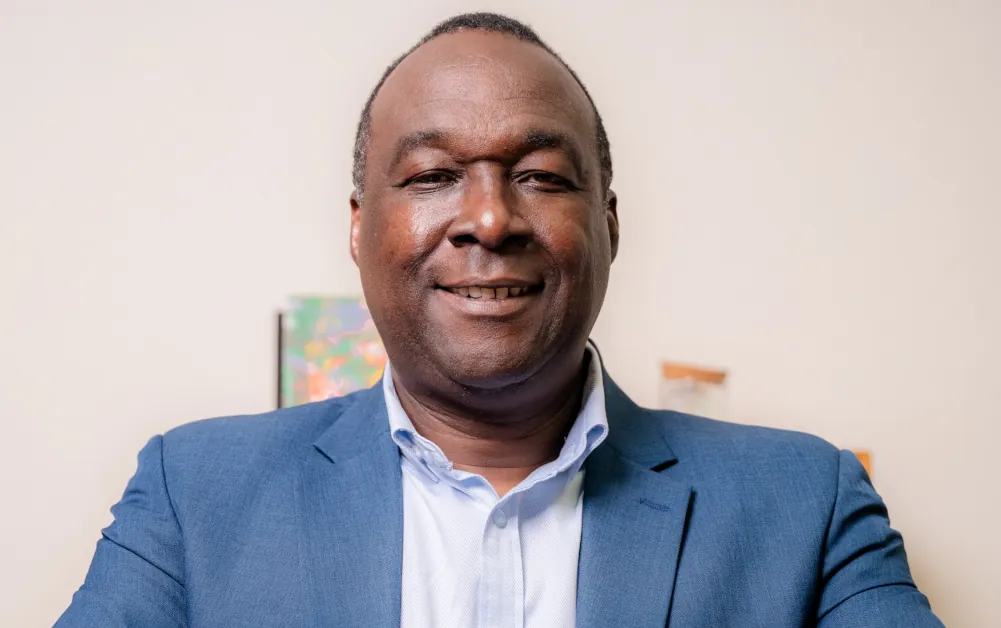
Principal Financial and Estate Planner at Vanilla Financial. I help parents, teachers, and self-employed professionals in Barbados and across the Caribbean simplify money, retirement, protection, and estate planning so you can focus on what matters now and feel secure about the future. I also work with their spouses and close friends who want the same clear guidance and practical coaching in plain, simple language.
Copyright 2026 Vanilla Financial, all rights reserved.